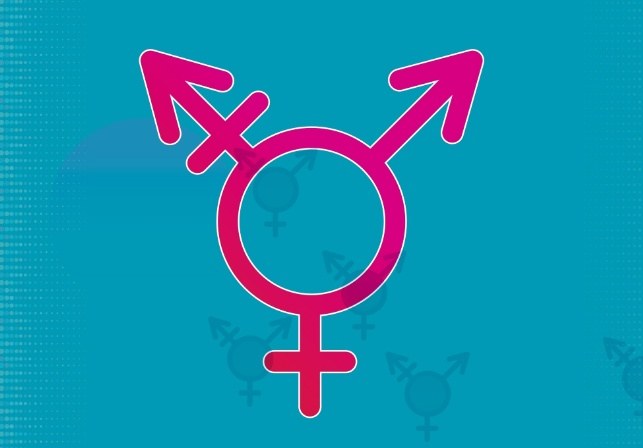
Good news: the basics haven't changed
If you're dating a trans woman, a trans man or a non-binary person, you're still doing the usual things. You're finding a nice restaurant, laughing at the same jokes and working out whether you can spend a Sunday together without reaching for your phone. A little awareness just makes it go more smoothly.
A few quick definitions
- Transgender (trans) describes someone whose gender identity differs from the sex they were assigned at birth.
- Cisgender (cis) describes someone whose gender identity matches the sex they were assigned at birth.
- Non-binary is a gender identity that isn't strictly male or female.
- Pronouns are she/her, he/him, they/them and so on. They're part of how someone introduces themselves.
Understanding the terms a little better
Definitions only go so far, so here's a bit more about the identities and ideas you're likely to come across. Keep in mind that everyone uses these words a little differently. If your date describes themselves in a certain way, that description wins.
Trans women and trans men
A trans woman is a woman who was assigned male at birth. A trans man is a man who was assigned female at birth. In both cases the important part is the first word: she's a woman, he's a man. You don't need to add "trans" when you introduce them, and most won't want you to.
Non-binary people
Non-binary people don't experience their gender as strictly male or strictly female. Some feel somewhere in between, some feel like both, and some feel like neither. Many use they/them pronouns, though some use she/her or he/him, and some are happy with a mix. Non-binary is also an umbrella that covers several more specific identities.
Genderfluid and agender
Genderfluid people find that their sense of gender shifts over time, sometimes from day to day. Agender people don't feel a strong connection to any gender at all. If your date is genderfluid, they may tell you that their pronouns change, and the easiest approach is simply to ask and follow their lead.
Gender identity, expression and orientation
These three things often get mixed up, but they're separate. Gender identity is who you are inside. Gender expression is how you show it to the world through clothes, hair, voice and style. Sexual orientation is who you're attracted to. A trans woman can be straight, gay, bi or anything else, just like a cis woman. And a man who wears nail polish is still a man.
What "transition" means
Transition is the process of starting to live as the gender you are. It looks different for everyone. For some people it's mostly social: a new name, new pronouns, a different wardrobe. Some also change their legal documents. Some choose medical steps, and some don't, for all kinds of personal reasons. None of these steps makes someone more or less trans, and there's no finish line.
Coming out
Coming out isn't a single event. Trans people often come out to friends first, then family, then work, and they keep making that decision every time they meet someone new. That includes dates. When someone tells you, it usually means they trust you, so a simple "thanks for telling me" goes a long way.
A few more words you might hear
- Deadname. The name a trans person used before they transitioned. Using it on purpose is hurtful, which is why the earlier advice says not to ask for it.
- Misgendering. Referring to someone with the wrong pronouns or gendered words. Everyone slips occasionally; doing it repeatedly or on purpose is what hurts.
- Gender euphoria. The happy, "this is me" feeling when someone is seen as who they are. Getting their name right on a date can be a small dose of it.
- Ally. Someone who isn't trans but supports trans people. Being a good partner makes you one by default.
Etiquette that goes a long way
Use the right name and pronouns
Use the name and pronouns your date gives you, including when they aren't in the room. If you slip, say sorry, correct yourself and carry on. A long, dramatic apology ends up being about you.
Don't ask about medical history or past names
Surgeries, hormones and a former name are private. Your date may tell you about them once they feel comfortable. You don't need to ask on the first date, or the tenth.
Be curious about the person, not the label
Ask what they do for work, what they're watching, what they'd eat every day if they could. Being trans is one part of someone's story, not the headline.
Keep their privacy
Who knows that someone is trans is their call. Don't tell friends, family or coworkers on their behalf.
Questions you might have
"Does this change my orientation?"
Attraction is about the person in front of you. A straight man who's attracted to a trans woman is still straight, and a woman dating a trans man is still into men. Only you get to decide which labels fit you, and you're free to skip labels altogether.
"When should we talk about it?"
Many trans people mention it in their profile or early on, because it saves time and energy. If they haven't, let them bring it up. If you're the one with questions, wait until there's some trust between you and ask kindly. Something like "Is there anything that would help me be a good partner to you?" works well.
"What if my friends or family react badly?"
Decide ahead of time how you'll respond, and make sure your partner knows you're on their side. Introduce them when you're both ready and the setting feels safe.
First-date tips
- Pick a public place where you'll both be comfortable. Lots of people like somewhere with a quiet corner and an easy way out.
- Leave the stereotypes at home, along with any compliment that starts "you don't look like...".
- Let the conversation wander. Hobbies, travel, music and food are all good territory.
- Ask about plans afterwards, like how they'd like to get home or whether they'd like to meet again.
Things that are nice to hear, and things to skip
Try saying
- "I had a really good time with you."
- "What name would you like me to use when I introduce you?"
- "Let me know if anything ever makes you uncomfortable."
- Ordinary compliments about their laugh, their style or their taste in music.
Better to skip
- "You're so brave." It's meant kindly, but it turns a date into a news story.
- "I would never have guessed." Passing isn't the compliment it sounds like.
- "So what's your real name?" Their real name is the one they told you.
Being a good partner over time
Do a bit of reading on your own, so your partner doesn't have to be your teacher. When you're unsure about something, ask kindly and then trust the answer, because they're the expert on their own life.
Hard days happen. Paperwork, doctor's appointments or a rude stranger can all be stressful, and sometimes the most useful thing you can say is "I'm here." Celebrate the small wins too: a new haircut, a favourite outfit, a good day. They're the same things you'd celebrate with anyone you love.
If you're trans and dating
A few reminders for our trans readers:
- You decide when to share and how much. There's no right moment.
- Many dating apps now let you set your gender and pronouns on your profile, which can filter out people who aren't a good fit.
- Meet in public for the first few dates and tell a friend where you'll be. That's good advice for anyone.
- You deserve someone who is excited about you, not someone who is "okay with it."
Common myths, gently corrected
"Dating a trans person is a big, complicated thing."
Mostly it isn't. You'll argue about where to eat and whose turn it is to pick the film like any other couple. The extra courtesies in this article take a few weeks to become habit, and after that you mostly stop thinking about them.
"Trans people are confused about who they are."
Usually the opposite is true. Many trans people have spent years thinking carefully about their identity, often more than most cis people ever have to. By the time you meet them, they tend to know themselves pretty well.
"It's a phase."
Being trans isn't a trend or a mood. People have lived as trans in many cultures throughout history, and today there's simply more language and visibility for it.
"Everyone has surgery, and that's what makes you trans."
As mentioned above, medical steps are a personal choice and not a requirement. Someone's gender is real whether or not they've had any treatment, and it's not something you need to know about to enjoy a date.
Quick FAQ
Should I ask about pronouns in the first message?
If they're on the profile, just use them. If not, a casual "how would you like me to refer to you?" is fine once you're chatting. Sharing your own pronouns first makes it feel natural.
Is it okay to be curious?
Yes, curiosity is human. Just point it at the whole person rather than at their transition. Their favourite films make a better opening than their medical history.
What if I say something wrong?
At some point you probably will, and that's okay. A quick "sorry, I meant..." and moving on shows more respect than being too nervous to try.
Final thoughts
Treat your date as the person they are. Get the name and pronouns right, keep the personal details personal, and be curious about who they are. After that it's the same old recipe for a good date, and a sense of humour helps as much as it ever does.
About the Author